

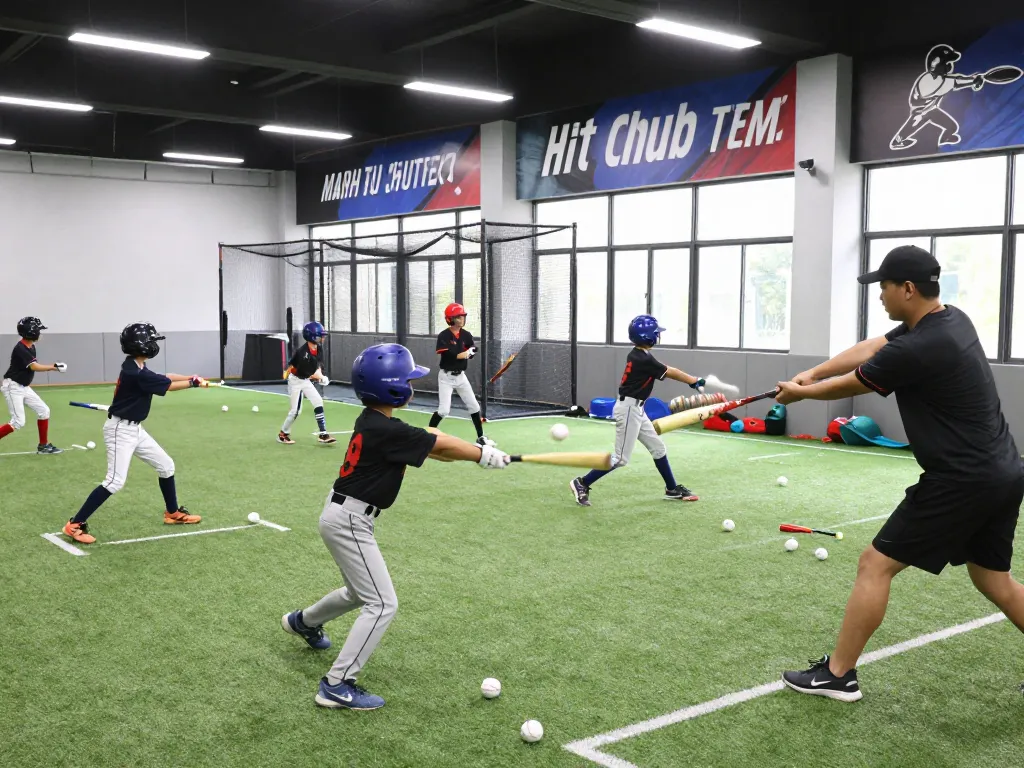
Introduction to the Hit Club Training Concept
The world of youth baseball is ever-evolving, and within this landscape, training programs known as “hit clubs” have risen to prominence. These clubs are dedicated to honing the skills of young athletes, focusing not only on the physical aspects of the game but also on mental preparation and teamwork. For aspiring players and parents alike, understanding the structure and benefits of hit clubs is crucial for making informed decisions about their training options. When exploring options, hit club provides comprehensive insights into the training methodologies that can shape future champions.
What is a Hit Club?
A hit club is a specialized training facility designed to enhance the baseball skills of young athletes. Unlike traditional baseball teams, hit clubs focus intensively on individual skill development through specialized training programs, often encompassing batting, fielding, pitching, and strength conditioning. These clubs typically offer a structured environment where players can practice regularly, receive personalized coaching, and utilize advanced training technologies. This targeted approach allows athletes to refine their techniques and improve their game performance.
The Importance of Baseball Training for Young Athletes
In an increasingly competitive sports environment, the need for specialized training is paramount. Young athletes who participate in baseball need to develop essential skills, understand the fundamentals of the game, and learn the intricacies of teamwork. Early exposure to focused training not only enhances their physical abilities but also fosters discipline and a strong work ethic. Parents and coaches recognize that investing in quality training programs can significantly influence the development of a young player’s career.
Overview of Hit Club Programs and Services
Hit clubs generally offer a range of programs tailored to various age groups and skill levels. Common offerings include:
- Individual Skills Clinics: Focused on specific areas such as hitting or pitching.
- Team Training Sessions: Designed for groups, emphasizing teamwork and collaboration.
- Strength and Conditioning Programs: Offering fitness training tailored to the physical demands of baseball.
- Seasonal Camps: Intensive programs during school breaks to maximize training opportunities.
Each program is crafted to not only teach skills but to build the confidence of young athletes and prepare them for competitive play.
Key Skills Developed at Hit Clubs
Batting Techniques: Essentials for Success
Batting is a critical aspect of baseball, and hit clubs focus on developing effective batting techniques. Coaches emphasize the correct stance, grip, and swing mechanics, integrating drills that simulate game situations. Advanced technology, such as swing analysis tools, is often utilized to provide real-time feedback, allowing players to make necessary adjustments. This analytical approach helps young athletes develop a consistent and powerful swing, essential for success at any level.
Fielding and Pitching Drills for Comprehensive Training
In addition to batting, hit clubs provide rigorous training in fielding and pitching. Fielding drills focus on agility, hand-eye coordination, and proper throwing techniques, ensuring players can contribute defensively. Pitching training encompasses not only mechanics but also game strategy and mental preparation, elements essential for developing a complete player. Coaches employ various drills that enhance these skills in game-like scenarios, preparing players for the rigors of competitive play.
Strength and Conditioning Strategies at Hit Clubs
Physical fitness is integral to a player’s performance, and hit clubs recognize the importance of strength and conditioning. Customized workout plans are designed to improve overall athleticism, targeting core strength, flexibility, and endurance. With the increasing emphasis on injury prevention in youth sports, conditioning programs at hit clubs often incorporate injury prevention exercises tailored to the movements specific to baseball.
Benefits of Joining a Hit Club
Enhanced Performance Metrics for Young Players
One of the most tangible benefits of joining a hit club is the improvement in performance metrics. Regular training and skill-focused sessions lead to measurable advancements in batting averages, pitching velocity, and fielding percentages. Players often see a direct correlation between their time spent at the club and their performance in games, which can enhance their confidence and motivation.
Social and Teamwork Benefits of Training Together
Alongside skill development, hit clubs foster a sense of community among young athletes. By training in groups, players learn valuable social skills, including communication, collaboration, and leadership. These experiences not only enhance their gameplay but also contribute to building friendships and a supportive network, which can be invaluable as they progress through their baseball careers.
Access to Expert Coaching and Mentorship Opportunities
Hit clubs often employ experienced coaches who specialize in player development. This access to knowledgeable mentors provides young athletes with personalized feedback, allowing them to learn and grow at a much quicker rate. Coaches at hit clubs often have backgrounds in professional baseball or collegiate coaching, making their insights particularly valuable.
Real-World Success Stories from Hit Club Members
Case Study: From Novice to All-Star in One Season
Consider the journey of a young player who joined a hit club with minimal experience. Through dedicated participation in individualized training sessions, this player honed their batting and fielding skills over one season. By the end of the year, not only did their performance metrics improve drastically, but they also earned a spot on the all-star team, showcasing how effective targeted training can be.
Testimonials from Parents and Players
Many parents have reported significant transformations in their children after joining a hit club. Feedback often highlights improvements in both skill sets and self-esteem, emphasizing the holistic benefits of these training programs. Young players frequently express gratitude for the friendships they’ve forged and the support they’ve received from coaches and peers alike.
Impact of Hit Club Training on Career Progression
Training at a hit club can serve as a critical stepping stone for young athletes aspiring to play at higher levels, including high school varsity teams and beyond. The skills and confidence gained through these programs often carry over into competitive scenarios, allowing players to showcase their talents effectively. Many alumni of hit clubs have proceeded to secure spots on college teams, proving the long-term value of such focused training.
Future Trends for Hit Clubs in 2026 and Beyond
Technological Advancements in Training Methods
As technology continues to advance, so too do the training methods employed by hit clubs. Innovations such as virtual reality simulations and biomechanical analysis are becoming integral to youth training programs. These tools provide players with immersive learning experiences and data-driven insights that facilitate faster skill acquisition and refinement.
Expanding Hit Club Locations and Programs
The demand for hit clubs is expected to grow, leading to the establishment of new locations and expanded program offerings. This expansion will not only make training more accessible to a broader audience but also enhance the opportunities for local communities to engage in quality baseball training.
How Hit Clubs Are Adapting to New Generations of Players
Understanding the unique challenges and preferences of new generations is essential for hit clubs. Programs are increasingly incorporating elements that appeal to younger players, such as gamified training experiences and social media engagement. Adapting to these trends will ensure that hit clubs remain relevant and effective in fostering the next wave of baseball talent.
How Can I Participate in a Hit Club?
Participation in a hit club typically involves enrolling in specific training programs or clinics. Interested players and parents can usually find information on local hit clubs through community centers or sports associations. Many clubs offer trial sessions, allowing new members to gauge the environment and coaching styles before committing.
What Are the Costs Associated with Membership?
Costs can vary significantly depending on the location and level of services provided by the hit club. Programs may charge per session, or clubs might offer membership packages that include access to various amenities. It’s important for families to evaluate their options and consider the long-term value of the training provided.
How to Make the Most of Your Training Experience?
To maximize the benefits gained from hit club training, players should remain committed, actively seek feedback from coaches, and practice consistently outside of club sessions. Setting personal goals and tracking progress can also enhance motivation and accountability.
What Equipment Do I Need for Training?
Players will typically need personal equipment that includes a bat, glove, and cleats. Some clubs may provide equipment for use during training sessions, but having personal gear can significantly enhance comfort and performance.
Are Hit Clubs Available in My Area?
Most regions now host at least one hit club, with many cities boasting multiple options. Local sports organizations and community boards usually provide listings of available clubs, ensuring that families can find a suitable training environment.