

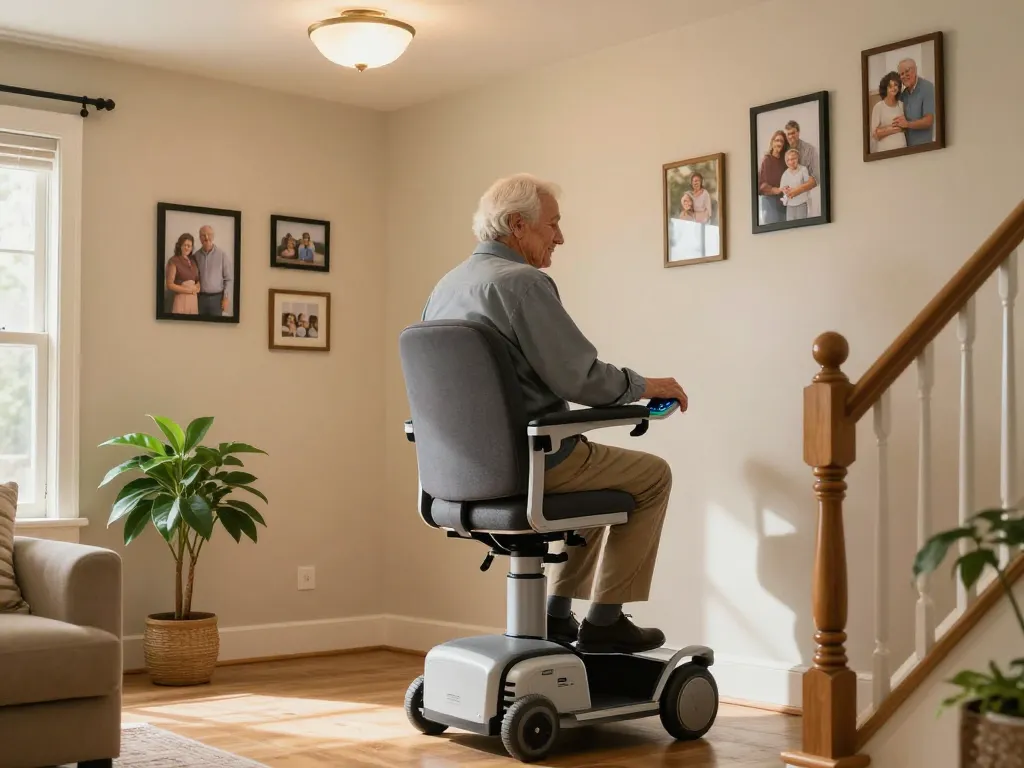
Understanding Stairlifts: Features and Benefits
As we age or face mobility challenges, the ability to navigate our homes becomes increasingly important. One solution that has gained popularity is the stairlift, a device designed to assist individuals in moving safely and comfortably between different levels of their homes. With technological advancements and a greater focus on accessibility, stairlifts have become not only essential for those with mobility issues but also a valuable addition to any home. When exploring options, stairlift solutions provide comprehensive insights into available products and services.
What is a Stairlift?
A stairlift is a mechanical device that transports individuals up and down stairs. Designed primarily for those with limited mobility, these systems typically consist of a chair or platform that is attached to a rail system mounted alongside the stairs. The operation is powered by a battery or an electric motor, ensuring that users can rely on this mobility aid even during power outages. Stairlifts can be fitted to both straight and curved staircases and can accommodate various weight capacities, making them an adaptable solution for many different home layouts.
Key Features to Consider
- Safety Features: Most modern stairlifts come equipped with safety belts, sensors to detect obstructions, and emergency stop buttons.
- Weight Capacity: It’s crucial to choose a stairlift that can support the user’s weight comfortably. Options vary, with some models supporting up to 600 pounds.
- Seat Design: Different models offer various seat options, including swivel seats for easy on-and-off transitions and foldable seats to save space.
- Power Options: Stairlifts can be powered by rechargeable batteries or plugged into an electrical outlet, giving users flexibility depending on their home’s layout.
- Customization: Many stairlifts can be customized with additional features, such as remote controls, footrests, and even decorative finishes to match home decor.
Benefits of Installing a Stairlift for Seniors
Stairlifts provide numerous benefits, especially for seniors who aim to maintain their independence. Some of the key advantages include:
- Enhances Safety: By reducing the risk of falls on stairs, stairlifts protect users from potentially serious injuries.
- Boosts Independence: Seniors can access all areas of their home without relying on others for assistance, fostering a sense of autonomy.
- Increases Home Value: Installing a stairlift can enhance the resale value of your home by making it more accessible to a broader range of buyers.
- Personalized Solutions: With various models available, individuals can select stairlifts that fit their unique needs and preferences, ensuring comfort and usability.
Types of Stairlifts: Which One is Right for You?
Straight vs. Curved Stairlifts
When it comes to stairlifts, two primary types cater to different stair configurations: straight and curved. Straight stairlifts are designed for staircases that run in a single, straight line and typically offer a more straightforward installation process. Conversely, curved stairlifts are tailored for staircases that bend or have landings, requiring a more complex, customized rail system. Understanding the layout of your stairs is essential in determining which type will best suit your home.
Platform and Standing Stairlifts
In addition to traditional chair stairlifts, there are platform and standing stairlifts available. Platform stairlifts are ideal for transporting wheelchairs or scooters up and down the stairs safely. These models come equipped with a flat surface and safety railings to secure the wheelchair during transit. On the other hand, standing stairlifts allow users to remain standing while being lifted, which can be beneficial for those who have difficulty sitting or rising.
Customizable Options and Accessories
Many stairlift manufacturers offer customization options to enhance usability and comfort. Features such as ergonomic seating, adjustable armrests, and additional safety accessories like seatbelts and footrests can be tailored to the user’s needs. Additionally, some stairlifts can be equipped with features like remote controls or digital displays, providing an added layer of convenience and technology integration.
Cost Considerations: Budgeting for Your Stairlift
Average Pricing and Installation Costs
The cost of a stairlift can vary significantly based on several factors, including the type of stairlift, the complexity of installation, and any additional features selected. On average, straight stairlifts range from $3,000 to $5,000, while curved models may start around $8,000 and can go much higher. Installation costs can also vary, typically adding several hundred to a few thousand dollars to the overall price, depending on the specifics of the project.
Understanding Maintenance Expenses
Owning a stairlift involves some ongoing maintenance to ensure safe and efficient operation. Regular inspections are advised, and many companies recommend annual servicing, which can cost between $150 and $300. Additionally, understand that battery replacements may also be necessary over time, typically every 2-5 years, depending on usage.
Financial Assistance and Grants for Stairlifts
For many individuals, the cost of installing a stairlift can be daunting. Fortunately, various financial assistance options may be available. Local government programs, nonprofit organizations, and sometimes even insurance policies can offer grants or financial aid to help with costs. It’s worthwhile to explore these options, as they can significantly alleviate the financial burden associated with acquiring a stairlift.
Safety Features and Best Practices for Stairlift Use
Essential Safety Features to Look For
When selecting a stairlift, safety should be a top priority. Essential safety features to look for include:
- Obstacle Sensors: These sensors detect any obstacles on the stairs and will stop the lift to prevent accidents.
- Seatbelt: A secure seatbelt ensures that users are safely strapped in during transit.
- Emergency Stop Button: This allows users to stop the stairlift in case of an emergency quickly.
- Automatic Folding Seats: These seats can fold up when not in use, keeping stairways clear.
Maintenance Tips for Longevity
To ensure your stairlift remains in top condition, consider implementing the following maintenance tips:
- Regularly inspect the rail and chair for any signs of wear and tear.
- Keep the area around the stairlift clear of obstructions.
- Schedule professional maintenance checks at least once a year.
- Ensure batteries are replaced as needed and charged correctly.
Common User Mistakes to Avoid
Even with a well-maintained stairlift, certain user mistakes can lead to accidents. Avoid the following:
- Using the stairlift without securing the seatbelt.
- Attempting to overload the stairlift beyond its weight capacity.
- Ignoring warning signals or malfunctions.
- Failing to keep the stairlift rail clean and unobstructed.
Future Trends: The Evolution of Stairlifts by 2026
Smart Stairlifts and Technology Integration
As technology continues to advance, the evolution of stairlifts is set to keep pace. By 2026, we can expect to see smart stairlifts integrated with home automation systems. Features like app-controlled operation, remote diagnostics, and voice-activated commands will likely become commonplace, enhancing usability and safety for individuals with mobility challenges.
Predicted Innovations in Design and Functionality
The future of stairlift design is also promising. Anticipated innovations include more compact designs ideal for smaller spaces and developments in lightweight materials that enhance portability without sacrificing strength or durability. Additionally, user-friendly interfaces will likely be developed to simplify operation and improve overall user experience.
Conclusion: Embracing Mobility Solutions for Aging Populations
Stairlifts are more than just mobility aids—they are crucial tools that allow individuals to maintain independence and navigate their homes safely. As the aging population grows, the demand for accessible home solutions like stairlifts will continue to rise. By understanding the various types of stairlifts, their costs, safety features, and future innovations, individuals can make informed decisions that enhance their quality of life and provide peace of mind.
What is the average cost of a stairlift?
The average cost of a stairlift can range widely, from approximately $3,000 for basic models to over $10,000 for more complex options with advanced features. Factors influencing price include the type of stairlift, installation requirements, and any additional customizations.
How do I choose the right stairlift for my home?
To choose the right stairlift, consider your staircase configuration (straight or curved), the weight capacity needed, available space, and any specific features you may want. Consulting with a stairlift specialist can also provide personalized recommendations based on your needs.
Are stairlifts safe for seniors?
Yes, stairlifts are generally safe for seniors when properly installed and maintained. Incorporating safety features such as seatbelts, sensors, and emergency stop buttons contributes to their overall safety.
What maintenance do stairlifts require?
Stairlifts require regular inspections to ensure they are functioning correctly and safely. Professional servicing is recommended at least once a year to keep them in optimal condition.
Are there financial assistance programs for stairlifts?
Yes, various financial assistance programs, including government grants and nonprofit support, may be available to help cover the costs of stairlifts. It’s advisable to research your options and inquire about eligibility.