

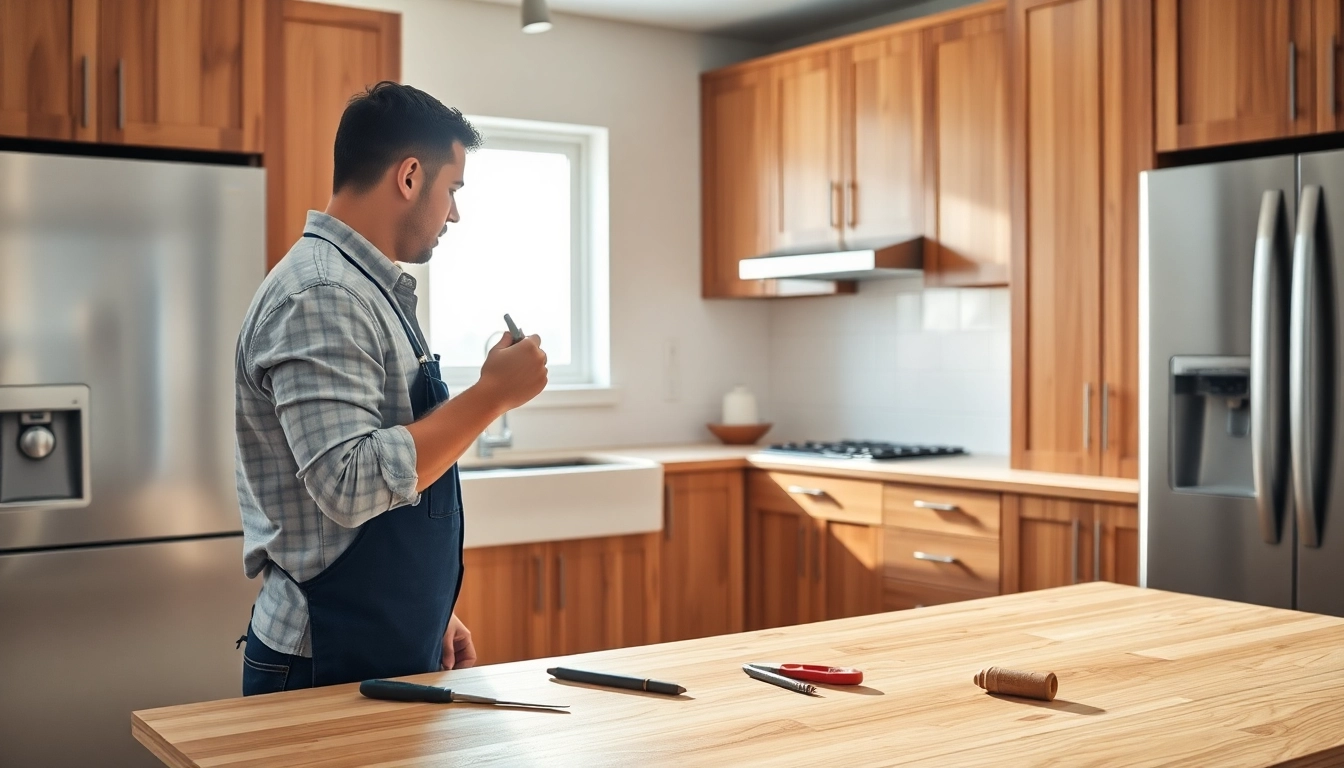
Understanding Cabinet Refacing
What is Cabinet Refacing?
Cabinet refacing is a transformative approach that revamps your kitchen space without the need for a complete overhaul. This process involves replacing the cabinet doors and drawer fronts while leaving the existing cabinet boxes intact. This not only saves you time but also minimizes waste, making it an environmentally friendly choice for homeowners looking to refresh their kitchen or bathroom. By opting for cabinet refacing, you can achieve the look of brand-new cabinets with a significantly lower investment and disruption. If you are considering rejuvenating your kitchen, Cabinet Refacing Clearwater FL services can help you realize your vision.
Benefits of Cabinet Refacing
The advantages of cabinet refacing extend well beyond aesthetics. Here are several key benefits:
- Cost-Effective: Refacing is generally much cheaper than a full kitchen remodel while still delivering impactful results.
- Time-Saving: The process typically takes only a few days, compared to weeks for a full renovation.
- Environmentally Friendly: By reusing the existing cabinet structure, less waste is produced, making it an ideal choice for eco-conscious homeowners.
- Variety of Options: Homeowners can choose from a wide range of styles, colors, and materials to suit their design preferences.
- Increased Home Value: A refreshed kitchen can significantly enhance your home’s appeal and market value.
When to Consider Refacing Your Cabinets
Deciding when to reface your cabinets depends on several factors:
- If the cabinet boxes are structurally sound but the doors and faces show wear and tear.
- If you’re preparing your home for sale and want to increase its appeal without a full remodel.
- When you’re bored with your current kitchen design and want to refresh the look without a major investment.
- If you want to match new appliances or fixtures without the hassle of a complete renovation.
Choosing the Right Materials
Types of Wood for Cabinet Refacing
When selecting materials for cabinet refacing, the type of wood can significantly influence both the durability and aesthetic appeal. Common wood choices include:
- Maple: Known for its smooth grain and resistance to staining.
- Oak: Offers durability and a pronounced grain that adds character.
- Cherry: Valued for its rich color and ability to age beautifully over time.
- Plywood: Often used for its stability and affordability, offering various veneer options.
Finishes and Stains: Making the Right Choice
The finish you choose can greatly enhance the natural beauty of wood while protecting it from wear. Here are some options:
- Paint: Provides a uniform look and can be easily color-coordinated with other elements of your home.
- Stains: Allow the beauty of the wood grain to show through while providing a hint of color.
- Glaze: Adds depth and dimension, particularly on intricate details.
- Sealants: Offer added protection against moisture and wear, ensuring longevity.
Eco-Friendly Material Options
For environmentally conscious homeowners, choosing sustainable materials is increasingly important. Consider these eco-friendly options:
- Bamboo: Highly renewable and durable, bamboo offers a unique aesthetic.
- Reclaimed Wood: Using wood that has been salvaged is a sustainable choice that adds history and character.
- Low-VOC Finishes: Opt for finishes that emit fewer volatile organic compounds to ensure healthier indoor air quality.
The Refacing Process Explained
Preparation and Planning Steps
Effective preparation sets the stage for a successful cabinet refacing project. Follow these steps:
- Assessment: Evaluate the condition of your existing cabinets to determine if they are suitable for refacing.
- Design Selection: Choose new doors, colors, and finishes that align with your vision.
- Budgeting: Establish your budget to guide material and style choices effectively.
- Schedule: Plan for a time when your kitchen will be least disrupted; most refacing projects take 3 to 5 days.
Installation: What to Expect
During the installation phase, professionals will follow a defined process:
- Removal: Existing doors, drawer fronts, and hardware are taken off to prepare for the new materials.
- Refinishing or Resurfacing: If needed, the cabinet boxes may be refurbished or resurfaced to ensure a clean look.
- New Doors Installation: The new doors and drawer fronts are fitted and aligned to create a seamless appearance.
- Hardware Fitting: New or updated hardware, such as knobs and pulls, are installed to complete the look.
Common Challenges During Refacing
While cabinet refacing is a relatively straightforward process, you may encounter challenges:
- Inconsistent Measurements: Accurate measurements are crucial; discrepancies can lead to ill-fitting doors.
- Jerky Installation: If done hastily, misalignment can occur. Ensure work is performed methodically.
- Material Quality: Opting for low-quality materials may result in unsatisfactory results, so ensure good quality is prioritized.
- Finishing Touches: Properly sealing and finishing your cabinets ensures durability.
Maintaining Your Refaced Cabinets
Cleaning and Care Tips
Once you’ve refreshed your cabinets, maintaining their appearance is essential:
- Use a soft cloth and a mild cleaner to wipe down surfaces.
- Avoid abrasive cleaners that can scratch or damage finishes.
- Regularly inspect hinges and drawer slides to ensure they remain in good working order.
Preventing Damage and Wear
To prolong the beauty of your refaced cabinets:
- Keep moisture to a minimum; wipe spills immediately.
- Ensure proper ventilation in cooking areas to minimize grease buildup.
- Avoid direct sunlight, which can fade finishes over time.
When to Schedule Professional Maintenance
While regular care is essential, some signs indicate a need for professional assistance:
- Visible wear such as peeling or cracking in finishes.
- Doors that no longer align properly, which may require realignment.
- Changes in hardware performance, indicating a need for replacement.
Costs and Budgeting for Cabinet Refacing
Factors Affecting the Cost of Refacing
The cost of cabinet refacing in Clearwater can vary based on several factors, including:
- Material Selection: The choice of wood, finishes, and hardware can significantly sway costs.
- Labor Costs: Professional installation may include varying rates based on the company’s expertise and local market rates.
- Cabinet Size: Larger kitchens or more extensive cabinetry will naturally incur higher costs.
- Design Complexity: Custom designs or additional features can raise the overall price.
Budget-Friendly Tips for Your Project
To manage costs effectively while still achieving your desired aesthetic, consider these strategies:
- Choose stock or ready-made designs instead of custom options.
- Refinish rather than replace cabinetry if the structure is still sound.
- Limit additional elements such as extensive hardware replacements to save on materials and labor.
Expected ROI on Cabinet Refacing
Investing in cabinet refacing often yields a high return on investment (ROI), particularly in the kitchen. Generally, homeowners can expect:
- The potential to recoup 70% to 80% of the project cost upon selling the home.
- Increased home value through enhanced visual appeal and functionality.
- Opportunity for faster sales due to updated kitchen spaces that attract buyers.
FAQs
What materials can be used for cabinet refacing?
Common materials include wood veneers, laminate, and acrylic, providing various looks and finishes.
How long does the cabinet refacing process take?
The timeframe can vary but usually ranges from 3 to 5 days depending on the project’s complexity.
Can I do cabinet refacing myself?
While DIY is possible, professional installation ensures better results and helps avoid costly mistakes.
What maintenance is required after refacing?
Regular cleaning and avoiding harsh chemicals will help maintain the appearance and longevity of your cabinets.
Is cabinet refacing eco-friendly?
Yes, many refacing options utilize sustainable materials and reduce waste compared to full cabinet replacements.