

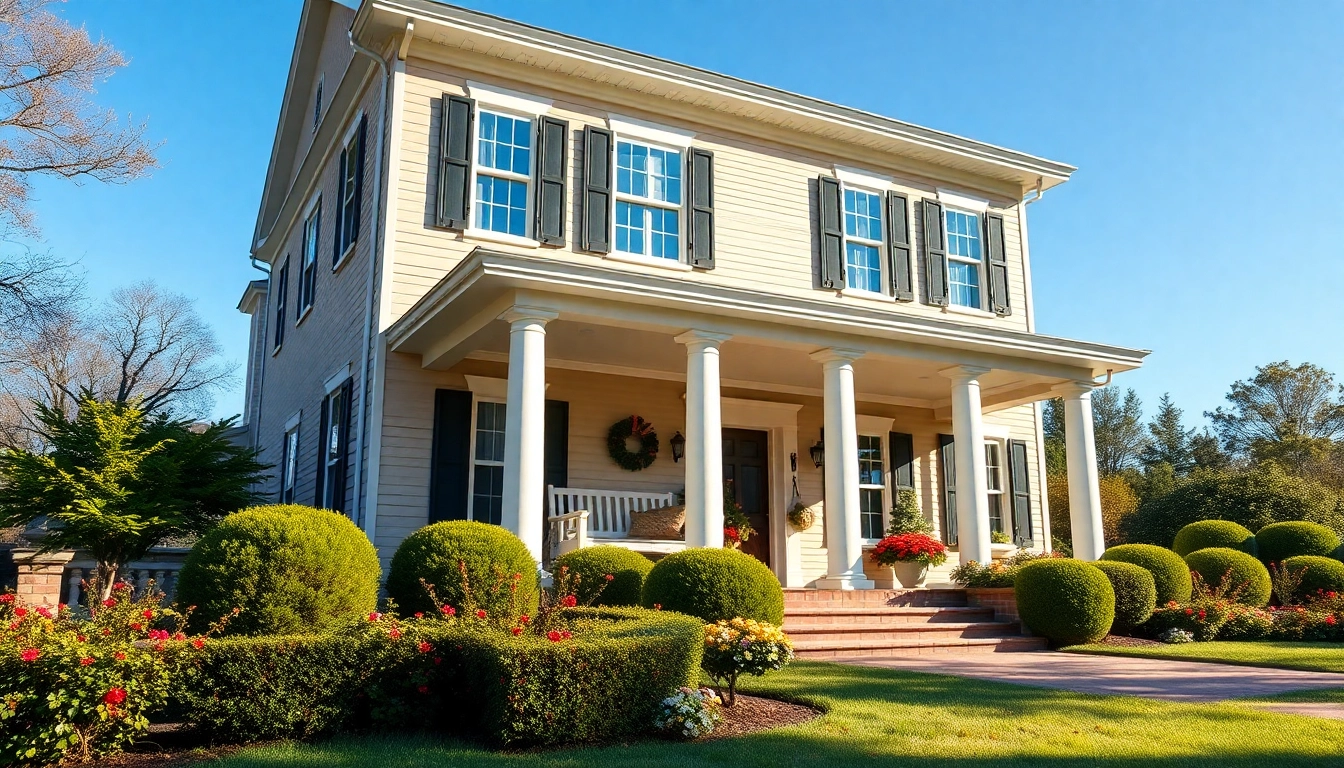
Understanding Colonial Home Renovation
Definition and Characteristics of Colonial Homes
Colonial homes are known for their distinct architectural styles that often reflect a nation’s history and culture. Originating in the 17th and 18th centuries, these homes exhibit symmetry, with a rectangular shape, evenly spaced windows, and traditionally, a central front door. Features such as gabled roofs, dormer windows, and shutters further characterize these structures. Their materials commonly include wood, brick, or stone, and they often have a simple, yet elegant aesthetic. As such, colonial homes are not just residences but speak to the heritage and aesthetics of their time.
The Importance of Preservation
Preserving colonial homes is crucial for maintaining the cultural heritage and historical significance of the areas in which they reside. Renovating these homes allows for modern updates while retaining their historical essence, which benefits the surrounding community and increases property value. Responsible preservation protects the craftsmanship and materials unique to colonial architecture, helping to educate future generations about those significant periods in history.
Key Renovation Goals
When embarking on a colonial home renovation, it is vital to establish clear goals. Common objectives include enhancing structural integrity, modernizing outdated systems (like plumbing and electrical), and improving energy efficiency without compromising historical accuracy. Additionally, the goal often encompasses creating functional living spaces that cater to contemporary lifestyles while celebrating the traditional beauty of colonial architecture.
Planning Your Colonial Home Renovation
Assessing Structural Integrity
The first step in planning any renovation is assessing the structural integrity of the home. This involves evaluating foundational elements, roofing, and walls for any signs of wear and damage. A thorough inspection should ideally be conducted by a licensed structural engineer or an experienced contractor familiar with historic homes. Identifying issues early on can prevent costly repairs later and ensures that the home remains safe and functional for its inhabitants.
Setting a Realistic Budget
Crafting a comprehensive budget is essential for a successful renovation project. This process begins with defining both hard costs (materials, labor) and soft costs (permits, inspections). Homeowners should allocate additional funds for unexpected expenses to address the antiquities of colonial homes that may not adhere to modern standards. By establishing a realistic budget from the outset, homeowners can avoid financial strain during the renovation process.
Hiring the Right Professionals
The choice of professionals can dramatically influence the renovation’s outcome. It is vital to hire contractors who specialize in historical renovations and understand the unique challenges associated with colonial architecture. Whether selecting architects, builders, or interior designers, ensure that they have experience with colonial homes and are familiar with local building codes and preservation guidelines. Personal recommendations, online reviews, and checking references can aid in making informed decisions.
Design Elements in Colonial Home Renovation
Integrating Traditional and Modern Features
Balancing traditional colonial design elements with modern features can create a harmonious living space that respects the home’s history while accommodating contemporary needs. One effective strategy is to incorporate modern conveniences in discreet ways, such as integrating updated technology within original architectural features. For example, installing energy-efficient windows that match the historic style can blend seamlessly while offering improved insulation.
Choosing Color Schemes and Materials
Color schemes and materials are vital in retaining the authenticity of colonial homes. Classic colors often included muted earth tones or pastels, which can still be applied in modern renovations. Homeowners should aim for paints and finishes that are historically appropriate while also reflecting personal style. Additionally, choosing authentic materials, such as reclaimed wood or historically accurate brick, can enhance the home’s overall aesthetic and value.
Landscaping Considerations
Landscaping plays a crucial role in maintaining the aesthetic of colonial homes. The garden design should complement the historic architecture rather than distract from it. Planting native species and maintaining traditional garden styles can create a cohesive look. Features such as brick pathways, antique benches, or gazebos can elevate outdoor areas, while ensuring they align with the home’s colonial identity.
Common Challenges and Solutions
Staying True to Architectural Styles
One of the most significant challenges in renovating colonial homes is maintaining authentic architectural styles. Homeowners often desire modern amenities but must ensure these upgrades do not detract from the home’s character. Solutions include working closely with preservation experts and using modern materials that closely match the original ones. Careful planning and a strong vision can help maintain balance throughout the renovation.
Budget Overruns and Schedule Delays
Renovating older homes often leads to unpredictable costs and timelines. To mitigate budget overruns and delays, set a reasonable timeline with built-in flexibility for adjustments. Regular communication and check-ins with all professionals involved in the renovation can ensure that the project remains on track. Establish a contingency fund for unexpected circumstances that invariably arise during renovations.
Addressing Unexpected Structural Issues
During a renovation, home inspectors may discover structural issues that must be addressed before proceeding. Common problems include outdated wiring, plumbing issues, or pest damage. Engaging qualified inspectors and addressing deficiencies promptly can avert further complications down the line. Homeowners should remain flexible and patient, understanding that these challenges are often part of the renovation journey.
Evaluating the Results of Your Renovation
Post-Renovation Inspection
Once renovations are complete, a thorough post-renovation inspection is essential to ensure all improvements have been meticulously executed. This inspection should involve not only checking the aesthetics but also evaluating new systems for efficiency and functionality. Homeowners may also want to consult a preservation specialist to ensure that the renovations comply with local historical standards.
Gathering Feedback from Residents
Engaging with residents about their experiences post-renovation can yield valuable insights. Understanding how the changes have improved day-to-day living is essential for homeowners aiming to enhance their living spaces. Feedback can inform future updates and serve as a gauge for how well the renovation achieved its initial goals.
Measuring Value Appreciation
Ultimately, evaluating the financial impact of a colonial renovation involves measuring appreciation in property value. Homeowners should research comparable properties before and after the renovation to ensure that the improvements have enhanced the value appropriately. Consulting with real estate experts can provide insights into how to maximize returns on investment through thoughtful home renovations.
FAQs About Colonial Home Renovation
What is the typical cost of renovating a colonial home?
The cost varies significantly based on the home’s size, condition, and the scope of changes. On average, renovation costs range from $100 to $300 per square foot.
How can I maintain historical accuracy during renovations?
Work with professionals who specialize in historical renovations. Use authentic materials and adhere to standardized design guidelines for colonial architecture.
Are there tax benefits for renovating historic homes?
Yes, many jurisdictions offer tax incentives or credits for renovations that preserve historical features. Always check local laws and regulations.
How can I find reliable contractors for my renovation?
Seek recommendations from local historical societies or preservation groups, read reviews online, and interview potential contractors regarding their experience in your specific home type.
What are common pitfalls in colonial home renovations?
Common pitfalls include underestimating costs, lacking a clear renovation plan, and failing to research the home’s historical context. Careful planning is key to avoiding these issues.