

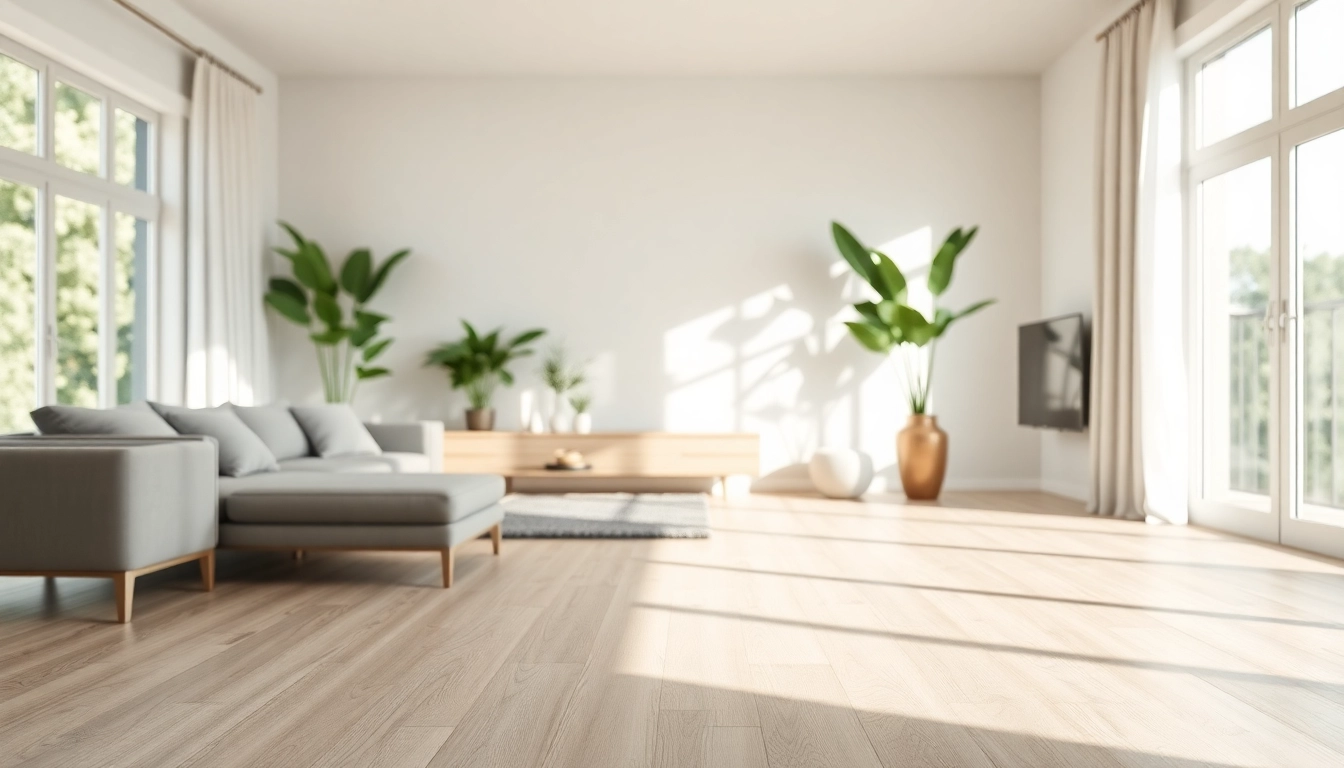
Introduction to Vinyl Plank Flooring
In the world of flooring options, vinyl plank flooring has emerged as a popular choice for homeowners and designers alike. This modern flooring solution combines durability, aesthetic appeal, and ease of maintenance, making it a preferred alternative to traditional flooring types. Understanding what vinyl plank flooring is and its numerous benefits can help you make an informed decision for your renovation or building project.
What is Vinyl Plank Flooring?
Vinyl plank flooring is a synthetic flooring material designed to mimic the appearance of hardwood, stone, or tile. Constructed from multiple layers, it typically comprises a waterproof core, a printed design layer that provides its aesthetic, and a protective wear layer on top. This construction enables vinyl plank flooring to offer a robust and realistic look while maintaining the advantages of synthetic materials. Its versatility means it can be used in various environments, from residential to commercial spaces.
Benefits of Choosing Vinyl Plank Flooring
Opting for vinyl plank flooring comes with a range of benefits that cater to different homeowner needs. Here are some key advantages:
- Water Resistance: Most vinyl plank flooring is waterproof or highly water-resistant, making it ideal for moisture-prone areas such as kitchens and bathrooms.
- Durability: Designed to withstand heavy foot traffic, vinyl plank flooring is resistant to scratches, stains, and dents, making it suitable for families with pets and children.
- Comfort Underfoot: Unlike tile or laminate, vinyl plank flooring provides a softer, warmer surface, resulting in a more comfortable walking experience.
- Aesthetic Variety: Available in a myriad of colors, designs, and textures, vinyl plank flooring can seamlessly match any interior design style, from traditional to contemporary.
- Easy Maintenance: Maintenance is simple—regular sweeping and occasional mopping are usually enough to keep it looking beautiful.
- Cost-Effectiveness: Compared to hardwood and stone, vinyl plank flooring is often more affordable, providing a budget-friendly alternative that doesn’t skimp on style.
Common Misconceptions About Vinyl Plank Flooring
Despite its popularity, some misconceptions about vinyl plank flooring persist. Clearing these myths is essential for making an informed decision:
- It’s Cheap Quality: Many believe vinyl flooring lacks durability. In reality, high-quality vinyl plank flooring is built to last and can withstand everyday wear and tear.
- It’s Not Eco-Friendly: While some vinyl products may not be environmentally friendly, there are options made from recycled materials and those that are phthalate-free.
- Limited Design Choices: Vinyl plank flooring comes in a wide range of styles, colors, and textures, making it versatile for various design preferences.
- Hard to Install: Many types of vinyl plank flooring feature a click-lock design, making them user-friendly for DIY enthusiasts and professionals alike.
Installation Process for Vinyl Plank Flooring
Installing vinyl plank flooring can be a rewarding project, whether you choose to do it yourself or hire a professional. Here’s what you need to know about the installation process.
Preparing Your Space for Vinyl Plank Flooring
Before installation begins, proper preparation of the area is crucial:
- Clear the Space: Remove all furniture and items from the area where the flooring will be installed.
- Check the Subfloor: Ensure the subfloor is clean, dry, and level. Any imperfections can affect how the planks will lay.
- Acclimate the Planks: Allow your vinyl planks to acclimate to the room temperature for at least 48 hours prior to installation.
Step-by-Step Installation Guide
- Lay Out the Planks: Begin laying out the planks without adhesive to visualize the arrangement. Start from the longest wall, working left to right.
- Cutting the Planks: Measure and cut the planks as needed, ensuring edges fit snugly against walls or other boundaries.
- Install the First Row: Start with the first plank, locking it in place, and continue with the rest of the row. Use spacers to maintain expansion gaps along the walls.
- Continue Installation: Move to the next rows, ensuring that the end seams don’t line up with the previous rows for a more natural look.
- Finish with Trim: Once installed, add trim and moldings to provide a finished look to your new flooring.
Tools Needed for Installation
Having the right tools on hand will ensure a smoother installation process. Here are some essential tools:
- Measuring tape
- Utility knife with extra blades
- Straight edge
- Chalk line
- Rubber mallet
- Spacers
- Flooring underlayment (if applicable)
Maintenance Tips for Vinyl Plank Flooring
To keep vinyl plank flooring looking great for years, follow these maintenance tips and best practices.
Daily Cleaning Best Practices
Regular cleaning is essential to maintain the appearance of your vinyl plank flooring. Here are some daily best practices:
- Sweep or vacuum regularly to remove dirt and debris that can scratch the surface.
- Mop using a damp cloth or a wet mop with a gentle floor cleaner formulated for vinyl.
- Wipe up spills immediately to prevent staining and moisture accumulation.
Preventing Damage to Vinyl Plank Flooring
Taking preventive measures can prolong the life of your flooring:
- Use felt pads under furniture legs to minimize scratches.
- Avoid using abrasive cleaning products that can damage the finish.
- Keep pets’ nails trimmed to prevent scratches.
- Place rugs in high-traffic areas to protect your flooring from wear.
Long-term Care Tips
For long-term care, consider the following:
- Occasionally, deep clean the floor using a manufacturer-recommended cleaner.
- Inspect for any signs of wear and address issues immediately.
- Keep the humidity in your home stable to prevent expansion or contraction of the planks.
Comparing Vinyl Plank Flooring with Other Flooring Types
Understanding how vinyl plank flooring compares to other flooring types can help you make the best choice for your needs.
Vinyl Plank Flooring vs. Laminate Flooring
While both vinyl plank flooring and laminate flooring have their advantages, the key differences lie in durability and moisture resistance. Vinyl plank flooring typically offers better moisture resistance, making it suitable for wet areas, whereas laminate can warp when exposed to water. Vinyl also tends to have a softer, warmer feel underfoot compared to laminate.
Vinyl Plank Flooring vs. Hardwood Flooring
Hardwood flooring is often revered for its beauty and longevity, but it comes with a higher price tag and requires regular maintenance. Vinyl plank flooring replicates the look of hardwood but at a much lower cost and with easier upkeep. Additionally, vinyl absorbs sound better and does not expand or contract as dramatically as hardwood does with humidity changes.
Choosing the Right Flooring for Your Needs
The best flooring option depends on your specific needs, budget, and lifestyle. For families with pets or children, durable options like vinyl plank flooring may be ideal. In contrast, if you’re looking for a timeless, high-end style, hardwood flooring may be worth the investment. Always assess your space and activities prior to making a decision.
Frequently Asked Questions About Vinyl Plank Flooring
How Durable is Vinyl Plank Flooring?
Vinyl plank flooring is highly durable, resistant to scratches and stains, and designed to handle high traffic areas effectively, making it an excellent choice for homes.
Can Vinyl Plank Flooring be Installed Over Existing Floors?
Yes, vinyl plank flooring can often be installed over existing floors like tile or linoleum, provided the surface is smooth and level.
Is Vinyl Plank Flooring Waterproof?
Most vinyl plank flooring options are waterproof or highly water-resistant, making them ideal for kitchens and bathrooms.
How Can I Remove Stains from Vinyl Plank Flooring?
Stains can typically be removed using a mixture of warm water and mild dish soap. For tougher stains, specialized cleaners designed for vinyl flooring can help.
What is the Lifespan of Vinyl Plank Flooring?
Vinyl plank flooring can last anywhere from 10 to 20 years, depending on the quality of the product and the level of maintenance performed.