

Understanding Mini Split AC Systems
What is a Mini Split AC?
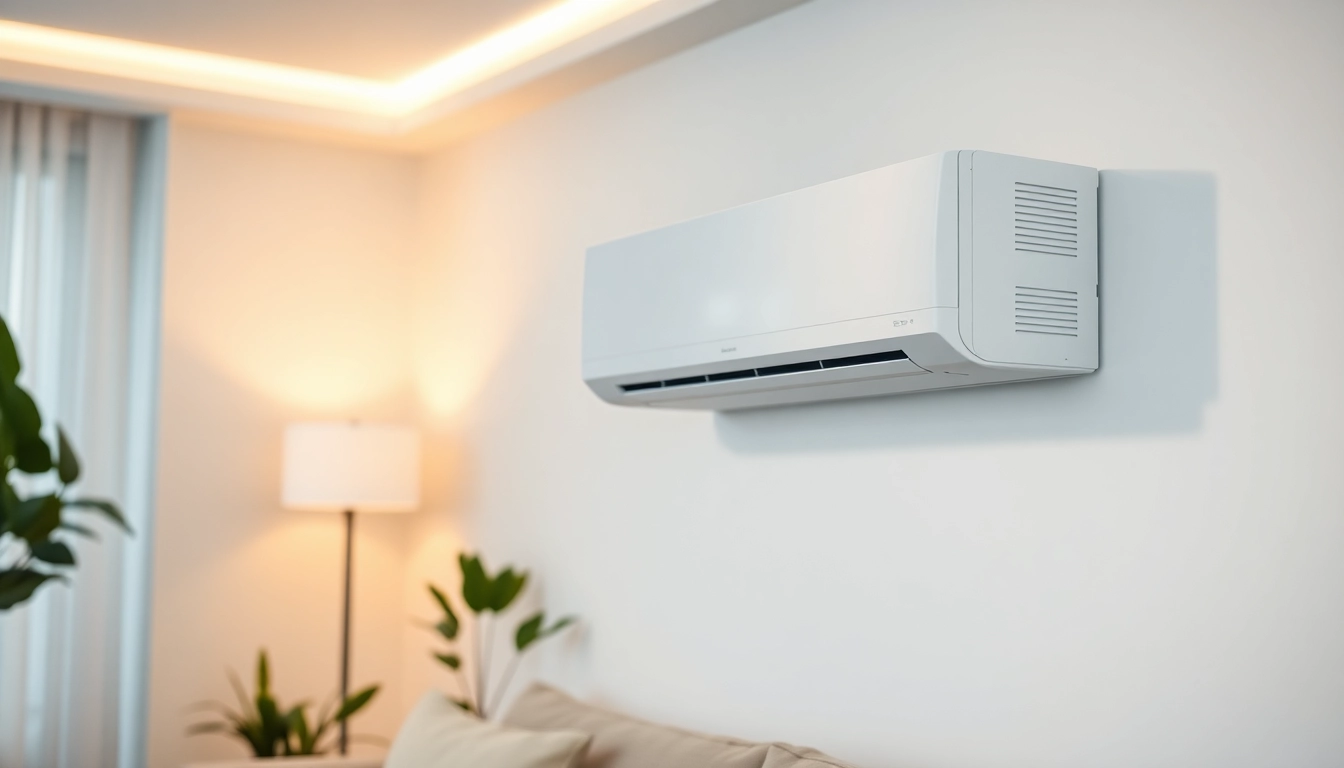
A mini split ac system is a type of heating and cooling system that offers the benefit of individual room temperature control while being energy efficient. Unlike traditional HVAC systems, which rely on ductwork, mini split ACs consist of an outdoor compressor unit and one or more indoor air handling units. This ductless design simplifies installation and provides targeted cooling or heating for specific areas of a home or office.
Benefits of Mini Split AC Systems
Mini split AC systems offer several distinct advantages over conventional systems, making them increasingly popular for residential and commercial use. Some notable benefits include:
- Energy Efficiency: Mini split systems typically have high SEER (Seasonal Energy Efficiency Ratio) ratings, leading to lower energy consumption and bills.
- Flexible Installation: The absence of ducting allows for greater installation flexibility in various settings, including apartments and older homes.
- Individual Zone Control: With multiple indoor units, users can customize the temperature in individual rooms, enhancing comfort.
- Reduced Noise Levels: The outdoor unit operates quietly, reducing noise pollution compared to traditional AC systems.
- Improved Air Quality: Many systems use advanced filtration technologies that help reduce allergens and pollutants, promoting better indoor air quality.
Key Components of a Mini Split AC
Understanding the essential components of a mini split AC system can assist with both purchasing decisions and maintenance:
- Outdoor Unit: This unit houses the compressor and condenser coils. It expels heat absorbed from inside the building.
- Indoor Unit: This component is installed in the living space and houses the evaporator coil that cools or heats the air.
- Refrigerant Lines: These lines carry refrigerant between the indoor and outdoor units, facilitating heat exchange.
- Remote Control: Most mini split systems come with a remote control or smart digital interface for easy operation and settings adjustment.
Installing a Mini Split AC
Preparing Your Space for Installation
The installation process for a mini split AC system begins with proper preparation of the space. Consider these steps:
- Choosing the Right Location: Select areas with minimal obstructions for both indoor and outdoor units for optimal airflow.
- Assessing Electrical Needs: Ensure the electrical system can handle the demands of a mini split system, including proper Circuit Breakers.
- Measuring for Size: The size of the mini split unit should correspond to the room’s square footage to maintain efficiency.
Professional Installation vs. DIY
When it comes to installing a mini split AC, choosing between a professional installer and a DIY approach can impact both performance and warranty:
- Professional Installation: Provides expertise, reduces the risk of errors, and often comes with a warranty on the installation.
- DIY Installation: May save on upfront costs but can lead to performance issues or even damage if not done correctly.
Common Installation Challenges
Installing a mini split can come with its own set of challenges. Common issues include:
- Difficult Access: Tight spaces can hinder installation, making it necessary to get creative.
- Refrigerant Leaks: Improper connections can lead to refrigerant leaks, which affect performance and efficiency.
- Noise Consideration: Outdoors units may need to be placed far enough away to avoid disturbing neighbors.
Operating Your Mini Split AC Efficiently
Setting Temperature and Modes
Understanding how to optimize your mini split AC’s settings can drive efficiency. Most models offer several modes:
- Cooling Mode: Ideal for hot weather, settings should maintain a comfortable temperature without overcooling.
- Heating Mode: Provides warmth during colder months. Set the temperature a few degrees higher than cooling settings.
- Dry Mode: This mode reduces humidity without significant temperature change, ideal for clammy environments.
Regular Maintenance Tips
To ensure longevity and optimal performance, regular maintenance is critical. Key tasks include:
- Cleaning Filters: Monthly cleaning or replacement of filters keeps airflow unobstructed and reduces energy consumption.
- Checking Outdoor Unit: Ensure that vegetation and debris do not block the airflow around the outdoor unit.
- Scheduling Annual Maintenance: Professional servicing can catch issues early, servicing refrigerant levels and checking electrical connections.
Energy Efficiency and Cost-Effectiveness
Mini split AC systems are designed with energy efficiency in mind. To maximize cost-effectiveness:
- Utilize Programmable Settings: Set temperature schedules to run less when no one is home.
- Capitalize on Zoning: Use different indoor units in unused rooms to minimize energy spending.
- Invest in High-Efficiency Models: Select units with high SEER ratings, which can significantly cut energy costs over time.
Troubleshooting Mini Split AC Issues
Common Problems and Solutions
Identifying problems quickly can avoid costly repairs. Common issues include:
- Insufficient Cooling/Heating: Check the settings or filter blockage as common culprits.
- Noisy Operation: Noises may indicate loose components or need for lubrication. Regular maintenance can correct this.
- Leaking Refrigerant: A significant issue that can compromise performance. Seek professional help.
When to Call a Professional
Some issues are beyond DIY repairs and require professional intervention:
- If you notice refrigerant leaks, it is critical to contact a technician.
- Electrical issues such as tripped breakers should be evaluated by an expert.
- Persistent noise or efficiency drops beyond basic cleaning may indicate deeper problems.
Extending the Lifespan of Your Mini Split AC
To maximize the lifespan of a mini split AC system:
- Regular Maintenance: Staying on top of cleaning and servicing ensures optimum running conditions.
- Monitor Usage: Use your unit wisely, as overuse can lead to early wear and tear.
- Upgrade Components as Necessary: As technology advances, consider upgrading components for better performance.
Comparing Mini Split AC Brands and Models
Top Features to Look For
When searching for the ideal mini split AC, keeping an eye on certain features will lead to a wiser investment:
- Energy Efficiency Rating: Look for models with higher SEER ratings for greater long-term savings.
- Noise Levels: Compare the decibel levels of models to find one that suits your sensitivity.
- Add-On Features: Additional features such as air filtration, smart compatibility, or multi-zone functionality can enhance usability.
Price Ranges and What to Expect
The price of mini split AC systems can vary widely based on size, brand, and features:
- Budget Units: Basic models start around several hundred dollars but may lack advanced features.
- Mid-Range Units: Expect to spend between a thousand to two thousand dollars for better efficiency and features.
- Premium Units: High-end models designed for larger spaces or ultra efficiency can reach several thousand dollars.
Customer Reviews and Recommendations
Before making a purchase, consider reviewing customer feedback. Pay special attention to:
- Reliability: Look for comments about long-term reliability, as this will indicate durability.
- Customer Service Experience: Good customer support can be just as valuable as the product itself.
- Performance in Different Climates: Some models may excel in specific climatic conditions, affecting overall satisfaction.
FAQs about Mini Split AC Systems
1. What is the average lifespan of a mini split AC system?
The average lifespan of a mini split AC system is approximately 15 to 20 years with proper maintenance.
2. How often should I clean my mini split AC filters?
It’s recommended to clean the filters every month to ensure optimal performance and air quality.
3. Can I install a mini split AC myself?
While it is possible to DIY, professional installation is advisable to ensure efficiency and avoid voiding warranties.
4. Are mini split AC systems noisy?
Mini split systems operate quietly, with many units rated at low decibel levels suitable for home environments.
5. How do I determine the right size mini split AC for my room?
Room size in square footage should guide your choice, typically considering BTUs required for the specific area.