

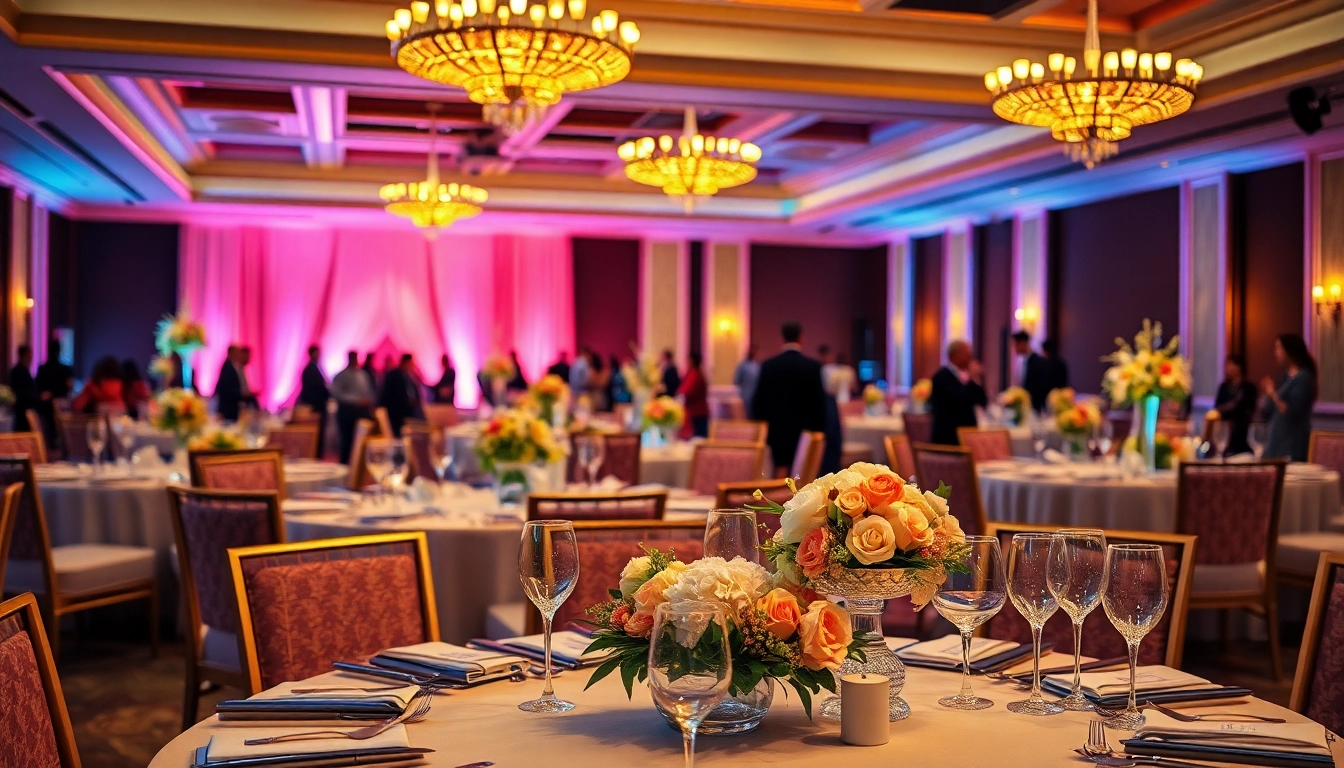
Understanding Event Types
Weddings: Crafting Your Dream Day
Weddings are among the most emotionally charged events you can plan, often reflecting personal stories and cultural traditions. Crafting your dream wedding involves a meticulous approach to detail, from selecting the right venue to coordinating with vendors. Whether you’re picturing an intimate gathering or a lavish affair, the key is to personalize the experience to represent your style, values, and heritage. Central to this is the decision-making process regarding themes, invitations, floral arrangements, and seating configurations, ensuring that each element evokes the desired ambiance.
An important step in this process is to stay organized and focused on your vision. Creating a mood board can help visualize the aesthetic you want to achieve—this can include color palettes, design inspirations, and examples of floral arrangements. Working closely with a wedding planner can also aid in streamlining decision-making, especially for those with busy schedules. Notably, the emotional investment in personalizing each guest’s experience, such as through personalized favors or seating arrangements, can transform a wedding from just a ceremony into a heartfelt celebration.
Corporate Gatherings: Professional Yet Inviting
Corporate events play a pivotal role in team building and client relations. These gatherings can range from annual meetings and product launches to holiday parties. In planning corporate events, the balance between professionalism and warmth is crucial. The goal is to create an atmosphere conducive to networking and collaboration while still allowing for enjoyment and relaxation.
Key considerations include venue selection and agenda structuring. A unique venue can enhance the event’s appeal, creating an environment that encourages creativity and engagement. Incorporating elements such as breakout sessions, panel discussions, or interactive workshops can not only convey vital information but also foster team bonding. Food and beverage choices should cater to diverse dietary preferences and create a welcoming atmosphere—making buffet-style setups or food stations a popular option.
Themed Events: Bringing Ideas to Life
Themed events are a fantastic way to immerse guests in a particular experience, turning a simple gathering into an unforgettable journey. Themed parties can take on various forms— from tropical luaus to retro galas. They invite creativity in decor, attire, and activities. When planning a themed event, clarity is essential: what is the theme, and how will it influence all aspects of the event?
Attention to detail matters significantly. Everything from music selection to the type of cuisine served should resonate with the theme. Additionally, immersive experiences, such as live performances or interactive stations, can elevate the overall ambiance and engage guests. Companies that successfully leverage themes often see increased attendance and guest satisfaction, as attendees feel a strong emotional connection to the event.
Essential Event Planning Steps
Setting Objectives: What Do You Want to Achieve?
Every successful event begins with defined objectives. Whether you’re aiming to celebrate a milestone, foster community connections, or promote a new product, a clear understanding of what you want to achieve will help steer the planning process. Goals should be specific, measurable, achievable, relevant, and time-bound (SMART). For example, if you’re planning a fundraiser, your objective could be to raise a certain amount of money by the end of the event.
Furthermore, soliciting input from stakeholders can help refine these objectives. Gathering ideas and ensuring everyone has a voice can result in greater commitment and enthusiasm towards the planned event. As the event unfolds, continuous assessment of progress towards these objectives will help maintain focus and adapt strategies as needed.
Creating a Budget: Balancing Luxury and Practicality
Budgeting is arguably the backbone of any event planning process. Creating a comprehensive budget helps ensure that your vision does not exceed financial resources. Begin by outlining major expense categories: venue, catering, decor, entertainment, and marketing. Allocate a portion of the budget for unexpected expenses—this is especially important for larger events where variables can change unexpectedly.
Additionally, sourcing multiple quotes for services can provide insight into where value can be found without sacrificing quality. Consider prioritizing major expenses and downgrading areas where less impact exists. For example, investing in high-quality entertainment may enhance guest satisfaction more than elaborate decor. Using spreadsheet tools for monitoring expenses can help keep the budget on track throughout the planning phase.
Choosing the Right Venue: Factors to Consider
The venue can set the tone for the entire event, making careful consideration essential. Factors to evaluate when choosing a venue include location, capacity, accessibility, and amenities. Proximity to accommodations can be particularly important for events that attract attendees from afar. Ensure that the venue’s aesthetic aligns with the desired theme—whether you envision a modern art gallery for a chic gala or a serene garden for a wedding.
Booking a venue well in advance can also provide additional flexibility, especially when considering peak times and seasons. Make sure to confirm what services are included in the rental fee; some venues may provide tables, chairs, and audiovisual equipment. Understanding any restrictions, such as noise ordinances or catering limitations, is equally important to avoid surprises on the day of the event.
Staging Unforgettable Experiences
Engaging Entertainment Options
Entertainment can be the highlight of any event, often serving as the main reason attendees find value in attending. The type of entertainment chosen should resonate with the audience and align with the event’s objectives. Options range from live bands and DJs to interactive experiences like photo booths or escape rooms.
Consider the demographic of your attendees when choosing entertainment. Older audiences may appreciate classical music or cabaret acts, while younger crowds might lean toward interactive games or contemporary bands. Integrating entertainment that allows attendee participation—even simple networking icebreakers—can significantly enhance engagement.
Unique Catering Ideas to Delight Guests
Catering can make or break an event, as good food contributes to overall guest satisfaction. To elevate the dining experience, consider unique catering ideas that go beyond traditional offerings. Interactive food stations, such as build-your-own taco bars or gourmet dessert bars, invite guests to customize their meals and create memorable interactions.
Additionally, consider incorporating seasonal or local ingredients into your menu. This not only supports local businesses but also adds a touch of freshness to your offerings. Vegan and gluten-free options are becoming essential in catering menus, spurred by increasing dietary awareness among global populations. Ultimately, your goal should be to offer a variety of choices that cater to all attendee preferences.
Event Flow: Managing Time and Activities
Effective event flow ensures that each component of the gathering complements the overall experience. Crafting a detailed timeline helps manage the sequence of activities throughout the day. Factor in time for arrivals, transitions between speakers, entertainment segments, and breaks to maintain an engaging flow.
It’s also essential to consider buffer times for unforeseen delays, whether they relate to vendor setup or schedule adjustments. Designated event hosts or coordinators can assist in maintaining this flow while remaining adaptable to changes. A well-structured agenda combined with clear communication helps align the expectations of attendees and vendors alike.
Innovative Trends in Event Management
Sustainable Practices for Eco-friendly Events
The growing awareness of sustainability has impacted event planning significantly. Eco-friendly events not only resonate with environmentally conscious attendees but also reflect positively on the organizer’s brand. Incorporate sustainable practices into all areas, such as reducing waste, using biodegradable materials, and choosing local vendors.
Digital invitations and online event management tools can minimize paper use, while recyclable or compostable dishware reduces landfill contributions. Furthermore, encouraging carpooling or providing public transport options can decrease carbon footprints associated with guest travel. Highlighting these efforts in event marketing can enhance brand reputation and foster a connection with attendees who value sustainability.
Technology Integration for Enhanced Experiences
Technology continues to evolve and has become a vital asset in event planning. Utilizing apps and platforms for registration, networking, and live polling can greatly enhance attendee interaction and satisfaction. Consider offering virtual events or hybrid options to increase reach and accessibility, allowing attendees to join from various locations.
Furthermore, integrating live social media feeds can stimulate engagement, prompting attendees to share their experiences in real-time. Event analytics tools can also provide post-event insights, assisting in future planning by analyzing attendee behavior and feedback. Embracing technology not only streamlines logistics but also amplifies the overall experience.
Creative Decor Ideas to Impress Attendees
When it comes to decor, creativity can turn ordinary spaces into immersive environments. Unique decor ideas can significantly enhance the event’s theme, such as using lighting effects, floral arrangements, and artistic installations. Notably, implementing social media walls or interactive art installations can provide both decoration and engagement opportunities.
Consider incorporating elements that represent the culture or interests of your audience, creating a deeper connection with attendees. Rent decor items or hire a professional decorator to ensure a cohesive aesthetic throughout the venue. Investing effort into these final touches can leave a lasting impression on guests.
Measuring Event Success
Post-Event Surveys: Gathering Valuable Feedback
Once the event concludes, collecting feedback from attendees is essential for understanding their experience. Post-event surveys can provide valuable insights into what worked well and areas for improvement. Questions should be structured to cover various aspects, including content quality, venue satisfaction, and overall enjoyment.
Utilizing tools like online survey platforms can facilitate data collection and analysis. Aim to create a balance between quantitative ratings and qualitative comments to gain a full spectrum of attendee sentiment. Sharing these insights with stakeholders can assist in refining future events and further aligning them with audience expectations.
Analyzing Attendance and Engagement Metrics
Measuring attendance and engagement metrics offers crucial data points for event planners. Tracking registration numbers, attendance rates, and participant engagement during the event helps assess the overall reach and impact. Consider utilizing event management platforms that provide comprehensive analytics.
Engagement metrics might include participation in Q&A sessions, polling responses, and social media interactions. These insights can inform decisions regarding future programming, marketing strategies, and networking opportunities. Identifying trends from past events will help sharpen focus on what elements resonate most with attendees, thus encouraging improved performance in subsequent gatherings.
Implementing Changes for Future Events
Continuous improvement should be a driving principle in event planning. Evaluating the feedback gathered, along with the attendance and engagement metrics, can uncover vital opportunities for enhancement. It’s important to act on constructive criticism, introducing changes that resonate with attendee needs.
Consider revisiting your objectives and assessing if they were met. Lessons learned can refine planning processes and strategic decisions for upcoming events. By fostering a culture of adaptability and evolution in your planning methodologies, you ensure that each successive event experience is more resonant and effective than the last.
Frequently Asked Questions
What should I consider when planning an event?
Begin with clear objectives, create a detailed budget, and choose a venue that aligns with your theme. Consider guest experience, catering options, and entertainment to enhance engagement.
How can I create a budget for my event?
Start by outlining key expense categories, gather quotes from various vendors, and allow a buffer for unexpected costs. Allocate funds according to priority areas to maximize impact.
What types of venues are best for different events?
Choose venues that reflect the event’s purpose. For corporate functions, opt for professional spaces; for weddings, consider romantic settings, and ensure they meet capacity and accessibility needs.
How can I enhance guest engagement during the event?
Incorporate interactive elements, such as Q&A sessions or games, provide networking opportunities, and utilize technology like live polls to foster participation and interaction among guests.
What metrics are important to assess event success?
Focus on attendance rates, engagement levels, and attendee satisfaction through post-event surveys. Analyze these metrics to guide improvements and enhance future experiences.
