

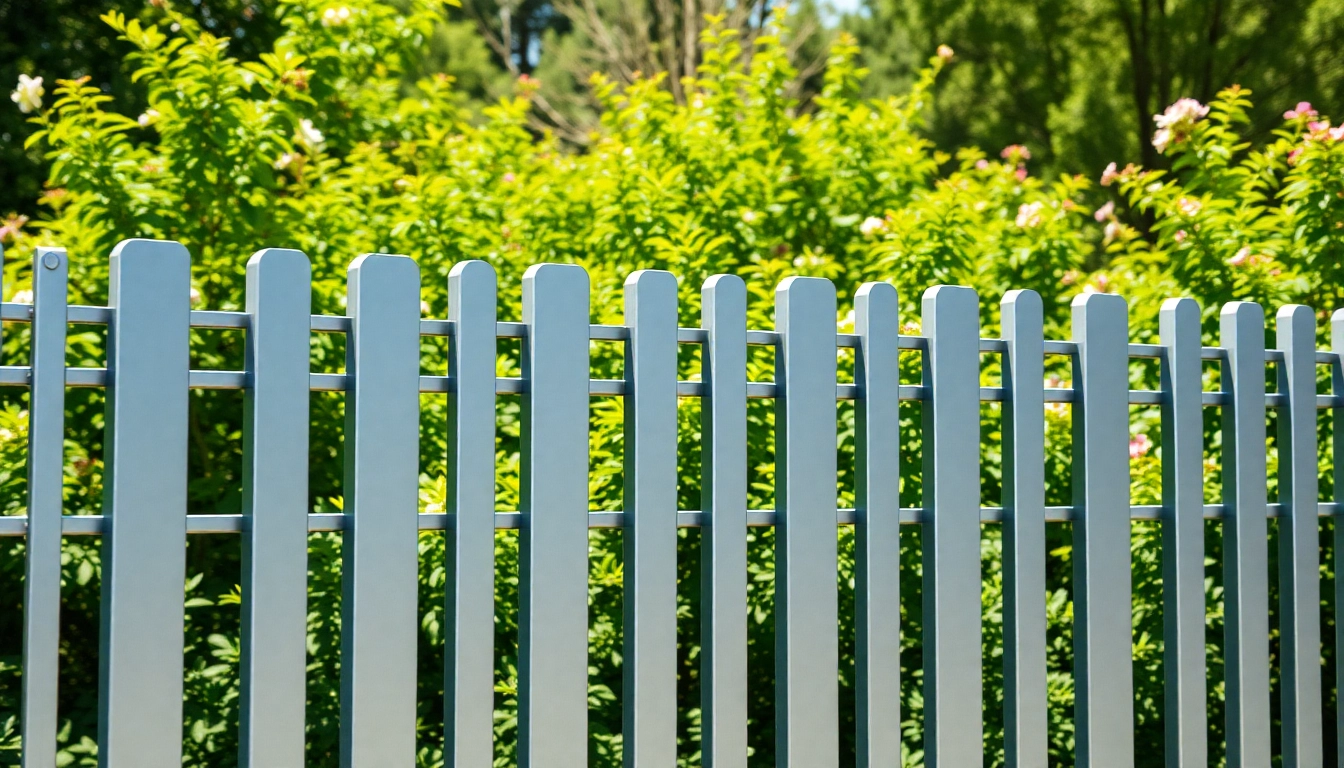
Understanding Metal Fence Panels
Metal fence panels offer a reliable solution for property owners seeking durability, aesthetics, and privacy. In a world where fences can serve multiple functionalities—ranging from security to decorative purposes—selecting the right fencing material becomes paramount. For many, metal fence panels emerge as a top choice due to their impressive durability and minimal maintenance requirements. In this article, we’ll delve into the various aspects of metal fence panels, including their types, benefits, design selections, installation, and maintenance. This comprehensive guide aims to equip you with the knowledge needed to make an informed decision while sharing resources that can enhance your fencing project experiences, such as www.metalfencepanels.co.uk.
Types of Metal Fence Panels Available
Metal fence panels come in various types, each designed to cater to different needs and preferences. The most commonly used types include:
- Chain Link Fencing: This type is made of woven wire and is often a cost-effective solution for property delineation and security. Chain link fences can easily adapt to any terrain, making them versatile.
- Steel Palisade Fencing: Known for its strength and security features, steel palisade fencing consists of vertical metal slats with pointed tops. Ideal for industrial settings, it also offers a modern aesthetic for residential properties.
- Wrought Iron Fencing: This decorative fence type can be customized in various intricate designs while providing a high level of security. Wrought iron is durable but generally requires more maintenance than other metal types.
- Aluminum Fencing: Lightweight, resistant to rust, and low maintenance, aluminum fencing is perfect for homeowners looking for an elegant fence solution without sacrificing durability.
- Metal Privacy Panels: These panels often feature solid constructions that ensure privacy and include materials like steel or galvanized metal, ideal for residential spaces emphasizing seclusion.
Benefits of Using Metal Fence Panels
Choosing metal fence panels comes with a myriad of advantages that contribute significantly to their popularity:
- Durability: Metal fences are robust and can withstand harsh weather conditions better than their wood or vinyl counterparts, which may warp or degrade over time.
- Low Maintenance: Unlike wooden fences that require regular treatments, metal fences are often treated to resist rust and corrosion, limiting the need for upkeep.
- Security: They provide a high degree of security, making them particularly suited for commercial properties and perimeter fencing.
- Aesthetics: Available in various styles, metal fences can enhance the visual appeal of your property, complementing different architectural designs.
- Eco-Friendly: Many metal fences are made from recycled materials and are 100% recyclable, making them an environmentally sound choice.
Common Materials Used in Metal Fencing
The choice of material plays a crucial role in determining the attributes of metal fences. The most common materials used include:
- Galvanized Steel: This type of steel is coated with a layer of zinc to prevent rust and corrosion, making it ideal for outdoor use.
- Aluminum: Lightweight and resistant to rust, aluminum is maintenance-free and comes in several finishes and colors.
- Wrought Iron: Highly durable and customizable, wrought iron provides a classic aesthetic but requires periodic maintenance to prevent corrosion.
- Stainless Steel: Extremely rust-resistant and strong, stainless steel fences are ideal for areas with severe weather conditions but can be more expensive.
Selecting the Right Design
Choosing the right design for metal fence panels involves more than just aesthetics; it also reflects your property’s functionality and your personal style. Below, we discuss various design considerations you should keep in mind.
Designs That Suit Different Properties
Metal fence designs can vary significantly based on the property type. Here are some insights into selecting suitable designs:
- Residential Properties: For homes, ornate wrought iron or aluminum designs offer elegance while providing the necessary privacy and security.
- Commercial Properties: Robust and functional designs like chain link or steel palisade fencing are often preferred due to their strength and security features.
- Rural Properties: In rural settings, a simple galvanized steel or aluminum fence can delineate land boundaries without obstructing scenic views.
Customizing Your Metal Fence Panels
Customizing your metal fence panels can significantly enhance their appeal and functionality. Consider the following customization options:
- Color Selection: Many metal panels can be powder-coated in various colors to match your property’s existing features and blend with the surroundings.
- Height Variations: Depending on your needs for privacy and security, metal panels can be customized in height to meet specific requirements.
- Decorative Features: Adding decorative elements, such as finials or scrollwork, can enhance the visual appeal of fencing—particularly important in residential designs.
Popular Aesthetic Choices
When it comes to aesthetics, here are some trends to consider:
- Modern Minimalism: Sleek lines and minimalist styles are trending, emphasizing function while creating a sophisticated look.
- Rustic Charm: Combining metal with natural materials like wood can create a warm, inviting atmosphere that complements outdoor spaces.
- Industrial Style: Raw, unfinished metal looks are gaining popularity, reflecting an edgy aesthetic that suits urban environments.
Installation Process
Installing metal fence panels requires careful planning and execution. Below are the critical steps to consider for a successful installation.
Preparing the Site for Metal Fence Panels
Before installation, proper site preparation is essential:
- Permits: Check local zoning laws to see if you need a permit for fencing installation.
- Marking the Boundary: Use stakes and string to mark the exact location of the fence, ensuring it aligns with your property boundaries.
- Clearing the Area: Remove any vegetation, rocks, or debris from the installation site to facilitate a smooth installation.
Tools and Materials Needed for Installation
Having the right tools and materials on hand can make installation smoother:
- Tools: You will need a tape measure, level, post hole digger, drill, and fencing hammer.
- Materials: Ensure you have all fencing panels, posts, fasteners, and concrete for securing the posts.
Step-by-Step Installation Guide
Follow this guide for a successful installation process:
- Setting the Posts: Dig holes for your posts at least one-third deep and set them into place using concrete for stability.
- Attaching the Panels: Once the posts are set, attach the metal panels according to the manufacturer’s instructions, adjusting for height and alignment.
- Finishing Touches: Ensure that all panels are securely fastened and check for any loose areas that may require tightening.
Maintenance of Metal Fence Panels
While metal fence panels require less maintenance than other materials, regular care can extend their lifespan. Here are some key maintenance tips:
Cleaning Tips for Longevity
Cleaning your metal fencing periodically helps maintain its appearance:
- Wash with Soap and Water: Use a gentle soap solution and a soft cloth or sponge to wash the fence, removing dirt and grime.
- Rinse Regularly: Rinse the fence after washing to eliminate soap residue, which could lead to corrosion.
Repairing Common Issues
Being proactive about repairs ensures your fence stays in good shape:
- Rust Removal: If rust appears, sand down the affected area and apply a rust-inhibiting primer and paint.
- Panel Replacement: Damaged or bent panels should be replaced promptly to ensure aesthetic consistency and security.
Seasonal Maintenance Checklist
At the change of each season, consider these maintenance tasks:
- Spring: Inspect for winter damage and clean the panels.
- Summer: Apply protective coatings if necessary and trim any vegetation encroaching the fence.
- Fall: Clean debris from the fence and check for rust.
- Winter: Ensure snow or ice accumulation doesn’t put extra pressure on the panels.
Frequently Asked Questions
What are the advantages of metal fence panels over wood?
Metal fence panels are more durable, require less maintenance, and resist pests and decay more effectively than wood fences.
How long do metal fence panels typically last?
With proper maintenance, metal fence panels can last 25 years or longer, varying based on materials and environmental factors.
Can metal fence panels rust?
Yes, metal fence panels can rust, but applying protective finishes can help prevent rust and increase longevity.
Are metal fence panels easy to install?
Yes, many homeowners can install them with the right tools, though professional installation is recommended for optimal results.
What should I consider when choosing the height of my metal fence?
When choosing the height, consider factors like privacy levels, security needs, local regulations, and your aesthetic preferences.